Interested in this project?
I'm happy to discuss the technical details, architecture decisions, or challenges encountered during development.
Get In Touch
Loading

XpanSieve Solutions is a digital agency and product studio focused on building practical software systems, web applications, and technical solutions.
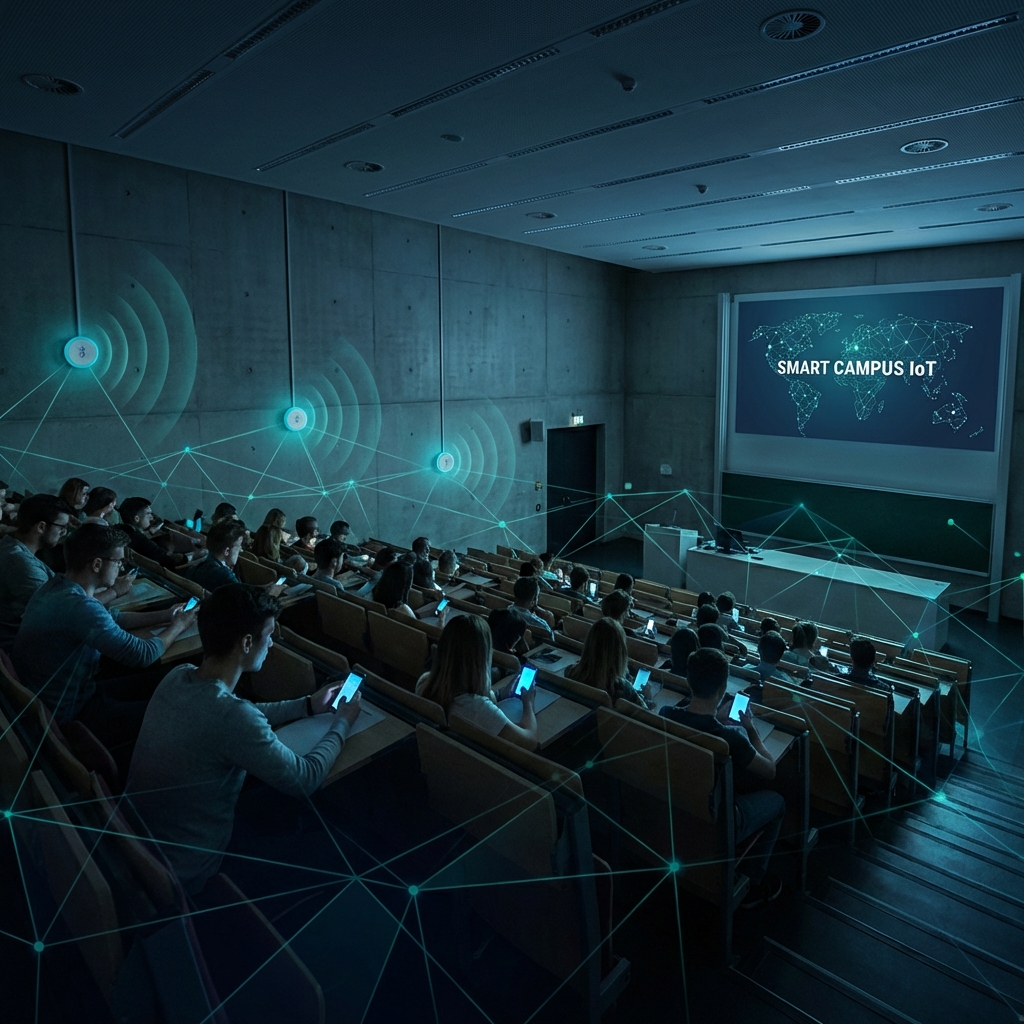
A proximity-based attendance management system designed for university lectures. Instead of manual sign-in sheets or QR codes that can be easily shared, this system uses Bluetooth Low Energy (BLE) beacons installed in lecture halls to automatically detect and verify student presence during class sessions.
The core idea is simple but technically demanding: BLE beacons emit signals at regular intervals, and a mobile application on each student's phone listens for these signals. When a student is physically within range of the beacon during a scheduled lecture, their attendance is automatically recorded. This eliminates proxy attendance and removes the overhead of manual roll calls.
Traditional attendance systems in universities rely on methods that are either slow (manual roll call), easily abused (sign-in sheets passed around), or require network infrastructure that isn't always reliable (cloud-based QR scanning). For large lecture halls with 200+ students, these methods waste significant class time and produce unreliable data.
This system addresses all three issues: it's automatic (no class time wasted), proximity-verified (you must be physically present), and works over BLE (no internet dependency for the core detection).
Several alternatives were evaluated before settling on BLE as the proximity technology:
GPS is too imprecise for indoor spaces. NFC requires physical tapping (defeats the "automatic" goal). Wi-Fi fingerprinting needs extensive calibration. BLE provides the right balance of range (~10m), low power consumption, and ease of deployment.
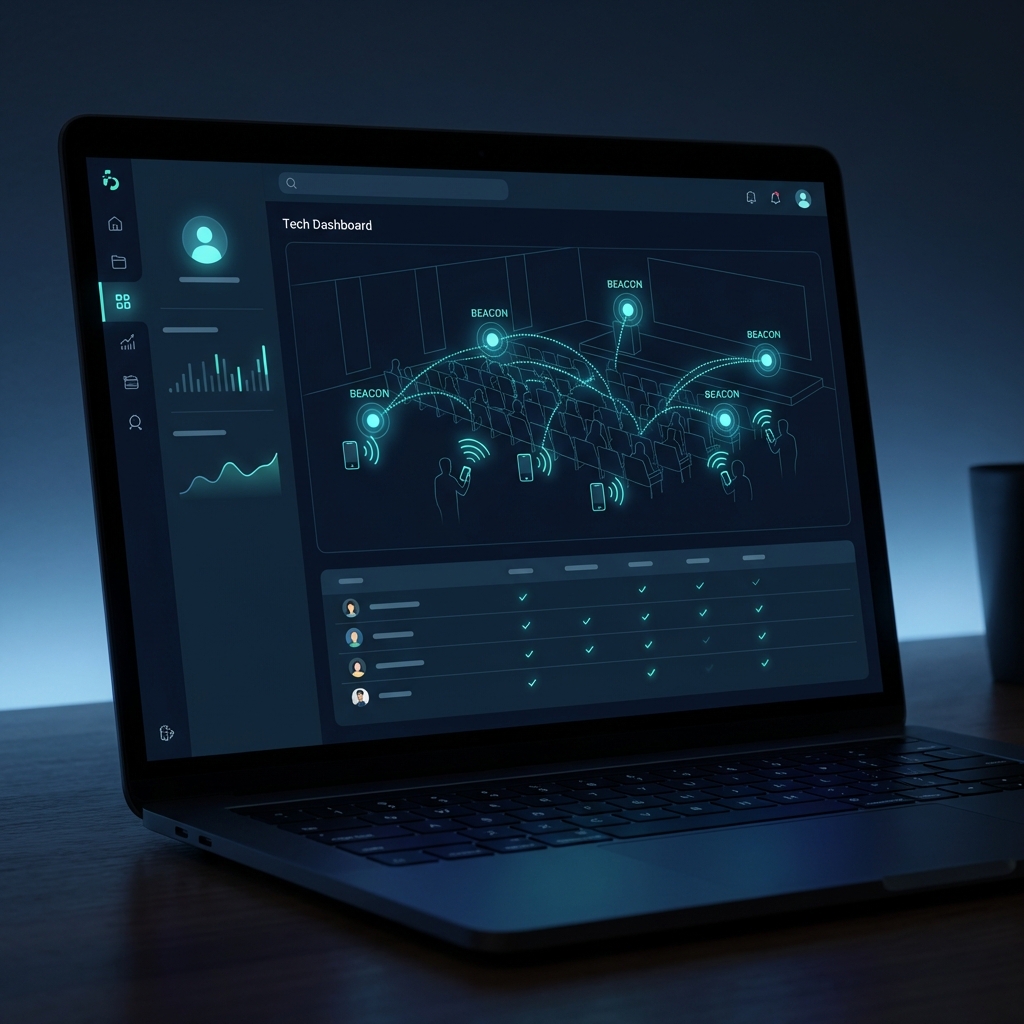
The system consists of three main components: the BLE beacon hardware (deployed per lecture hall), a mobile app for students (handles detection and local recording), and a backend server (aggregates attendance data, provides dashboards for lecturers and administrators).
Key constraints being addressed include: handling Bluetooth permission variability across Android versions, preventing spoofing of beacon signals, managing battery drain on student devices, and syncing locally-recorded attendance data with the server when connectivity is available.
The project is currently in early beta. The core BLE detection and attendance recording pipeline works, but the system has not yet been deployed in a real lecture environment. The admin dashboard and reporting modules are still under active development.
This project is private — it's being developed as part of ongoing research and is not publicly available. No live demo or repository link is provided because the system requires physical BLE hardware and specific university infrastructure to function meaningfully.